Under section 5(3) of Government Decree No 269/2007 on land-use regulations for Natura 2000 grassland management stipulates thatfarmers shall notify the competent national park directorate in writing at least five days in advance the proposed mowing date -. But why is that necessary?
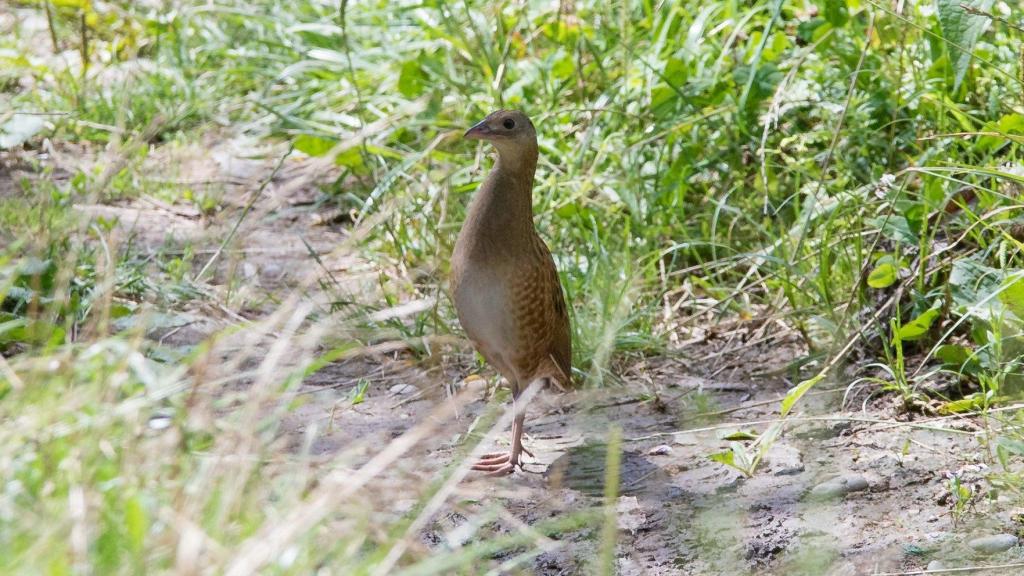
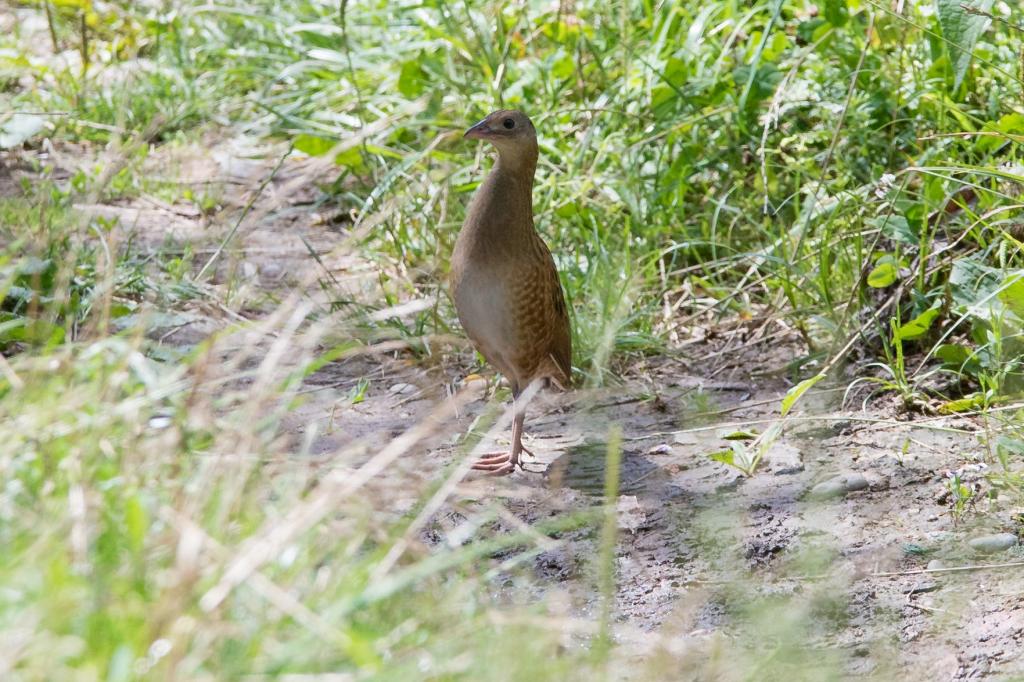
Grasslands within Natura 2000 network provide essential breeding and feeding habitat for many protected and highly protected species, as well as for species of European conservation concern. Hay meadows, in particular, serve as a nesting sites for many ground-nesting bird species, such as the Corncrake (Crex crex), the Montagu's Harrier (Circus pygargus) and the Great Bustard (Otis tarda).
Mowing often causes disturbance to nesting birds, reducing the hatchlings’ chances of survival. The most significant damage is done when nests are destroyed due to mowing, usually by accident. Protecting these species, and ensuring undisturbed nesting can only be achieved through close co-operation of farmers and other land managers. In addition, freshly-mown hay meadows are important feeding habitats for a number of bird species, including the White Stork (Ciconia ciconia) and the Red-footed Falcon (Falco vespertinus).
Mowing protected and indicator plant species before they could set seed, is unfavourable for their survival. Furthermore, many non-protected plant species serve as host plants for protected insect species. A well-known example is the monophagous Scarce Large Blue (Phengaris teleius), which depend on a single host plant, the Great Burnet, otherwise known as Red Thunder (Sanguisorba officinalis). Early mowing of host plants can result the eradication of an entire generation of insect species in the given habitat.
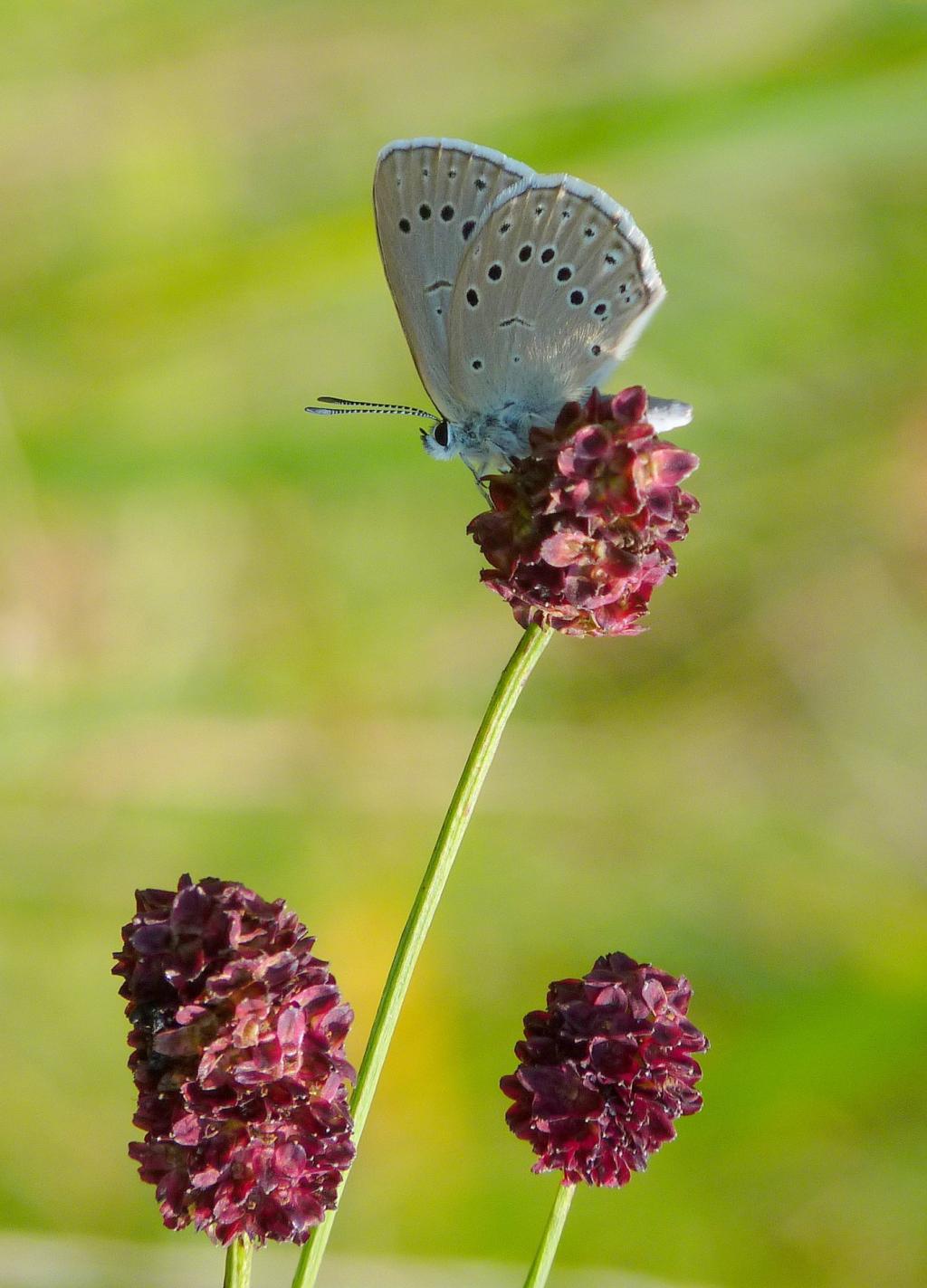
Photo by Adrienn Patalenszki
Submitting mowing notifications in a timely manner, enables National Park Directorates to prevent potential conservation damage that might come from improperly timed or conducted mowing. Unless the Directorate disagrees with the submitted notification, they’d silently approve of the delivery of the management – otherwise the experts would contact the farmer directly to adjust the proposed activity.
National park directorates hold long-term datasets on species and ecological communities occurring on Natura 2000 grasslands. Following the joint assessment of the dataset and the submission, experts form their decision whether the proposed activity poses any risk to species of conservation concern at the site.
The notification forms and the guidance on how to fill them are available HERE.
The free OKIR web application assists to identify the territorially competent National Park Directorate for a given site.
If, during harvesting operations a nest or a chick of a protected ground-nesting bird species is discovered, farmers are kindly asked to temporarily suspend the activity and notify the competent National Park Directorate immediately using the following contact detail.
In order to ensure successful breeding or hatchling rescue, further mowing operations shall continue in accordance with directorate guidelines. For on-site identification of bird species Bird Life Hungary offers a free mobile application - available at the following link.
Also there is a field guide on bird species designed for farmers, accessible for download HERE. For more information on wildlife-friendly mowing practices and endangered grassland species follow up on our previously published articles.
Among early summer agricultural operations, mowing may have the greatest ecological threats to wildlife. In addition, their ecological impact vary greatly depending on the habitat and the timing of activities. Proper scheduling is a key conservation consideration, and by this awareness it is possible to prevent harm to wildlife and the loss of their associated ecological values.
Author: Bükk National Park Directorate